About us
We are Staffel
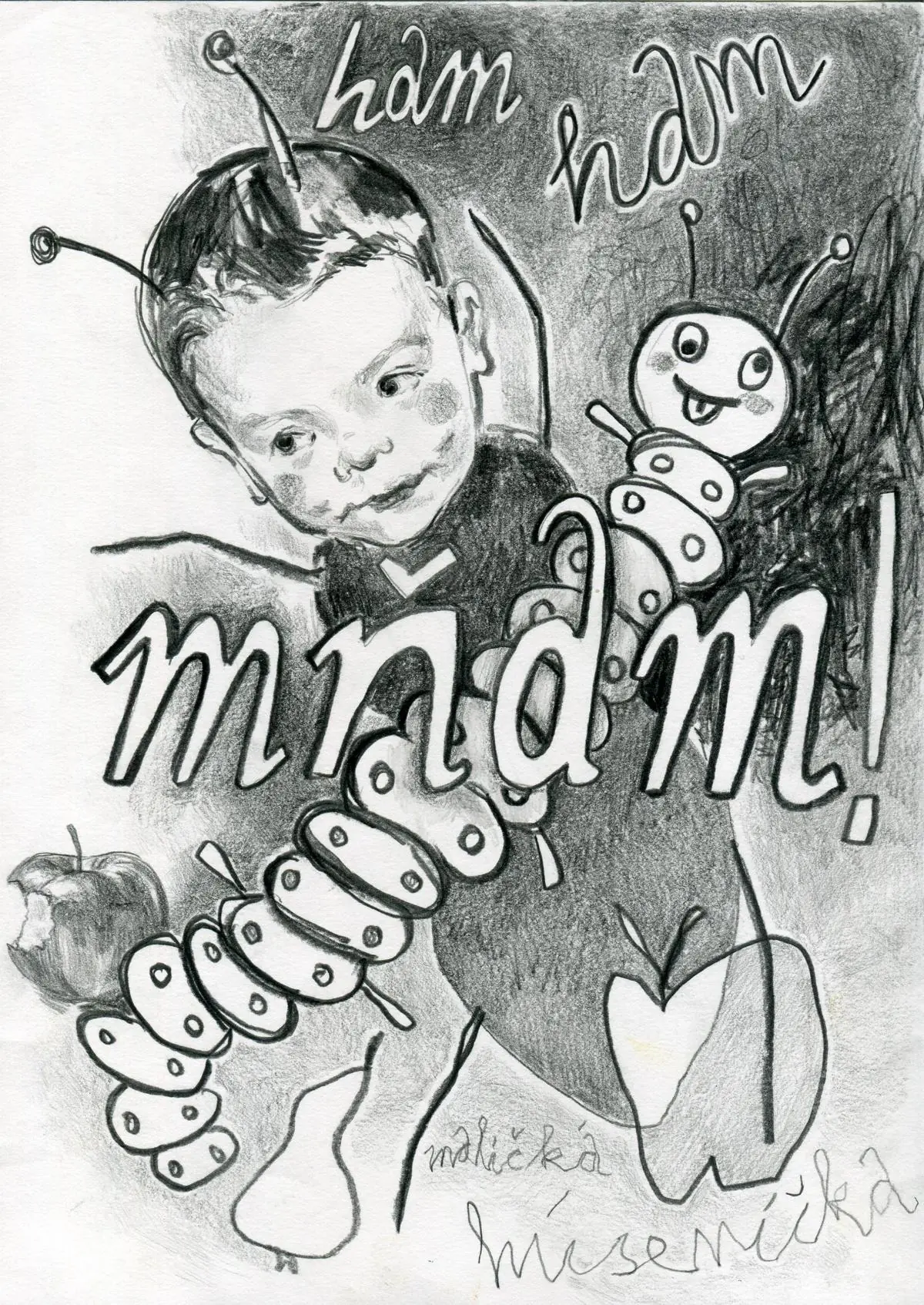
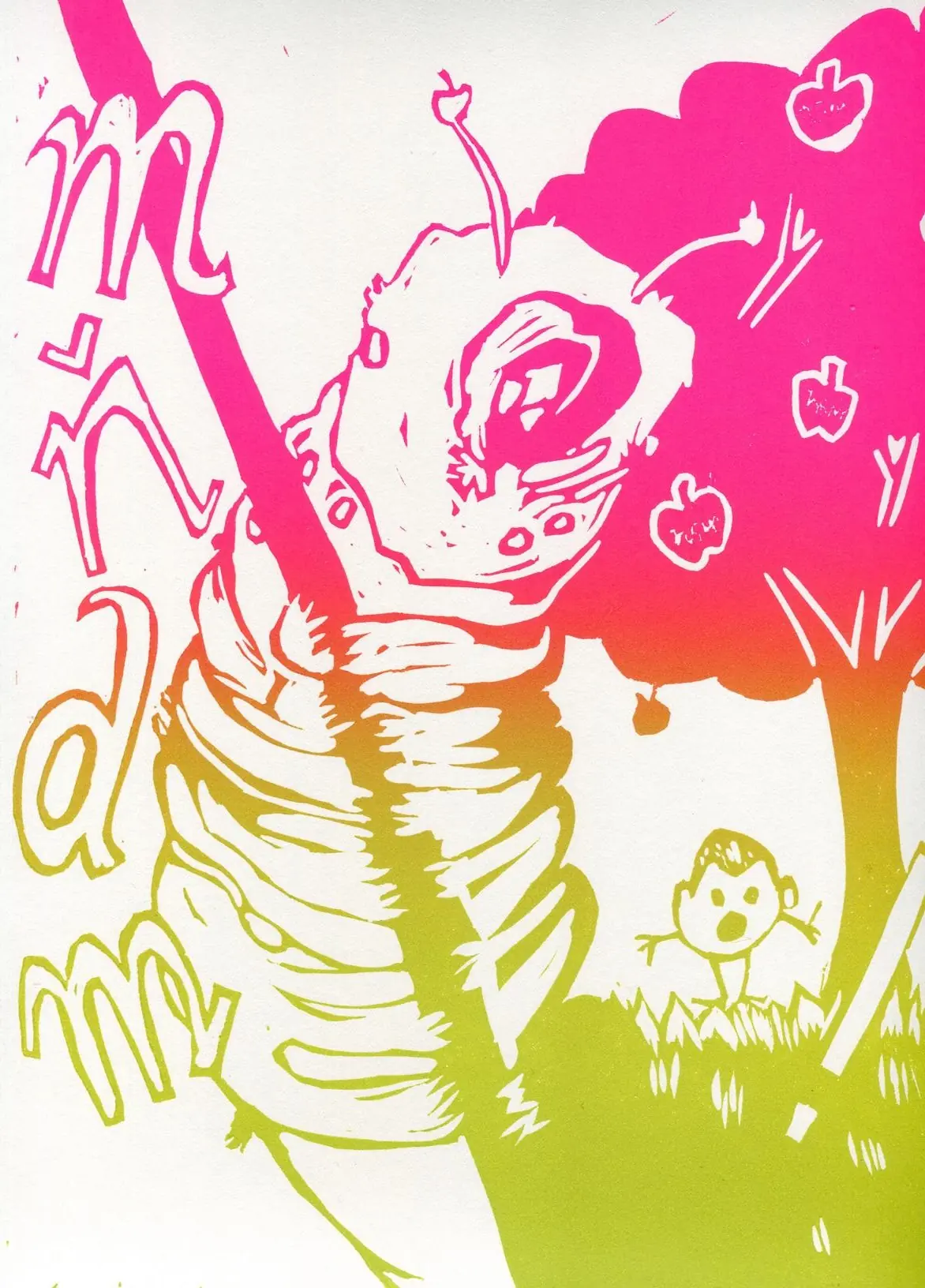
Staffel publishes collaborative original printmaking. In our Echo series, we invite groups of artists, each contributing a sketch. These sketches are distributed randomly within the group, so that everyone adapts someone else's design into a print. The friction arising from this interplay of differing artistic positions, styles, and media generates images that could not have emerged in any individual studio.
Beyond Echo, we explore a wide range of other forms of collaborative practice. Our programme also features solo projects by our artists. Here, we only ask for a commitment to original printmaking and to some sort of publication format – concepts whose limits we interpret generously. For us, original printmaking comprises not only classic techniques like woodcut, linocut, etching, and lithography, but also less conventional tools, ranging from manual offset to dot-matrix printers. It is crucial to our understanding of printmaking that the medium constitutes an integral part of the work and its process, rather than merely reproducing a pre-existing concept.
Most of our publications fall into categories of books and portfolios, yet we remain open to any format that seriously embraces the artist book. The only thing we do not represent are single-sheet prints, except for some projects with a particular collaborative vision. Instead, our mission is to give greater visibility to the medium of artist book, a medium especially difficult to exhibit; to foster its avant-garde, and to connect its small but all the more passionate community of enthusiasts.
"Staffel", in German, means "relay", as in a relay race (in plain English terms, you'd pronounce it "shtuffle"). Beyond this our intended meaning, the word has associations of something ordered, like a season of a TV series, a military squadron or scaled pay. It is this kind of word that is commonplace but whose meaning entirely depends on context, similar perhaps to the fate of our drawings.
Our Journey
Initially, we became publishers by accident. The first collaborative works were created by then-students at the Academy of Fine Arts Leipzig (HGB) – really just to see what would happen. Could we actually persuade anyone to engage in this sort of collaboration? Would the approach work in practice at all?
As we worked on the first two portfolios in 2023, the answer to these questions was a resounding "Yes!". At first we were skeptical about whether the concept would resonate with a general audience. Was it not too dependent on obscure techniques, too nerdy a pastime within a closed bubble? That, however, was likely just our studio tunnel vision talking: the very first time we showed this work, we found not just specialists approaching, but saw plenty of people wholly unfamiliar with the minute details of our technical processes eagerly browsing through our publications. We would have continued regardless, driven by our own motivation, but this early success gave us the confidence to take our publishing work much more seriously and pick up the pace.
Since then, we have had a steady stream of publications, exhibitions, and book fairs. The primary motivation behind launching new publishing projects, however, has never changed since those first tentative steps: in the end, we just want to see these images ourselves!
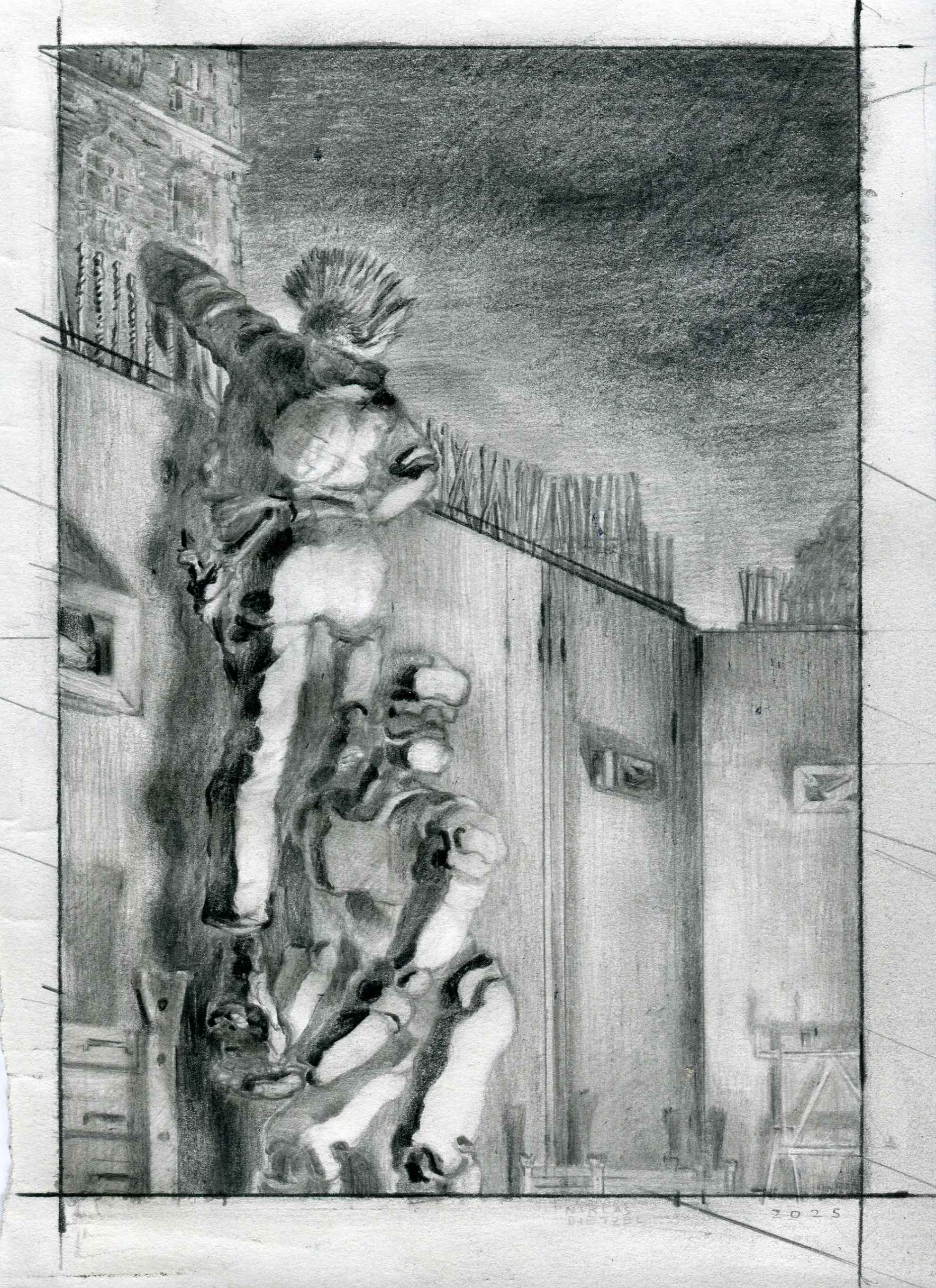
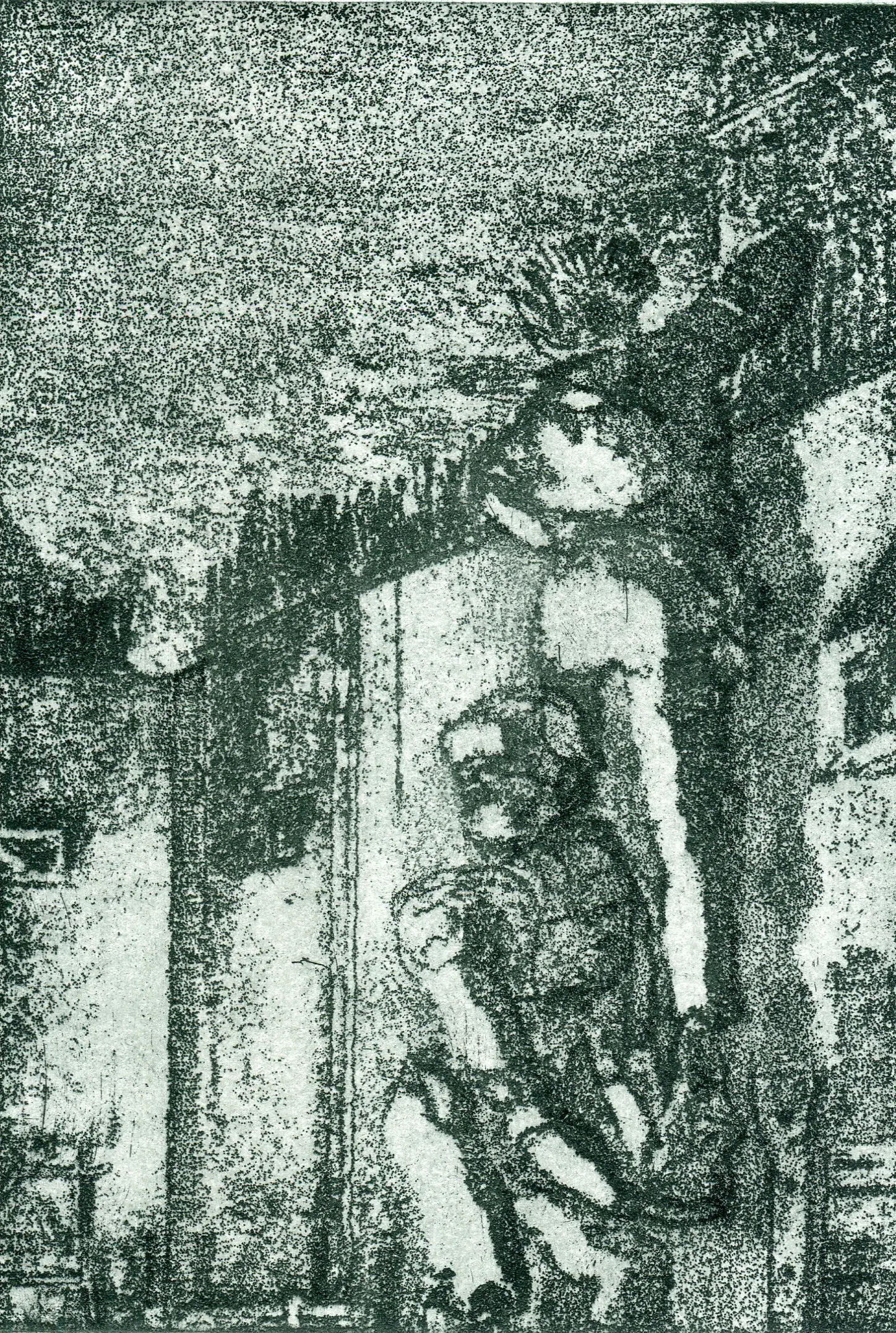
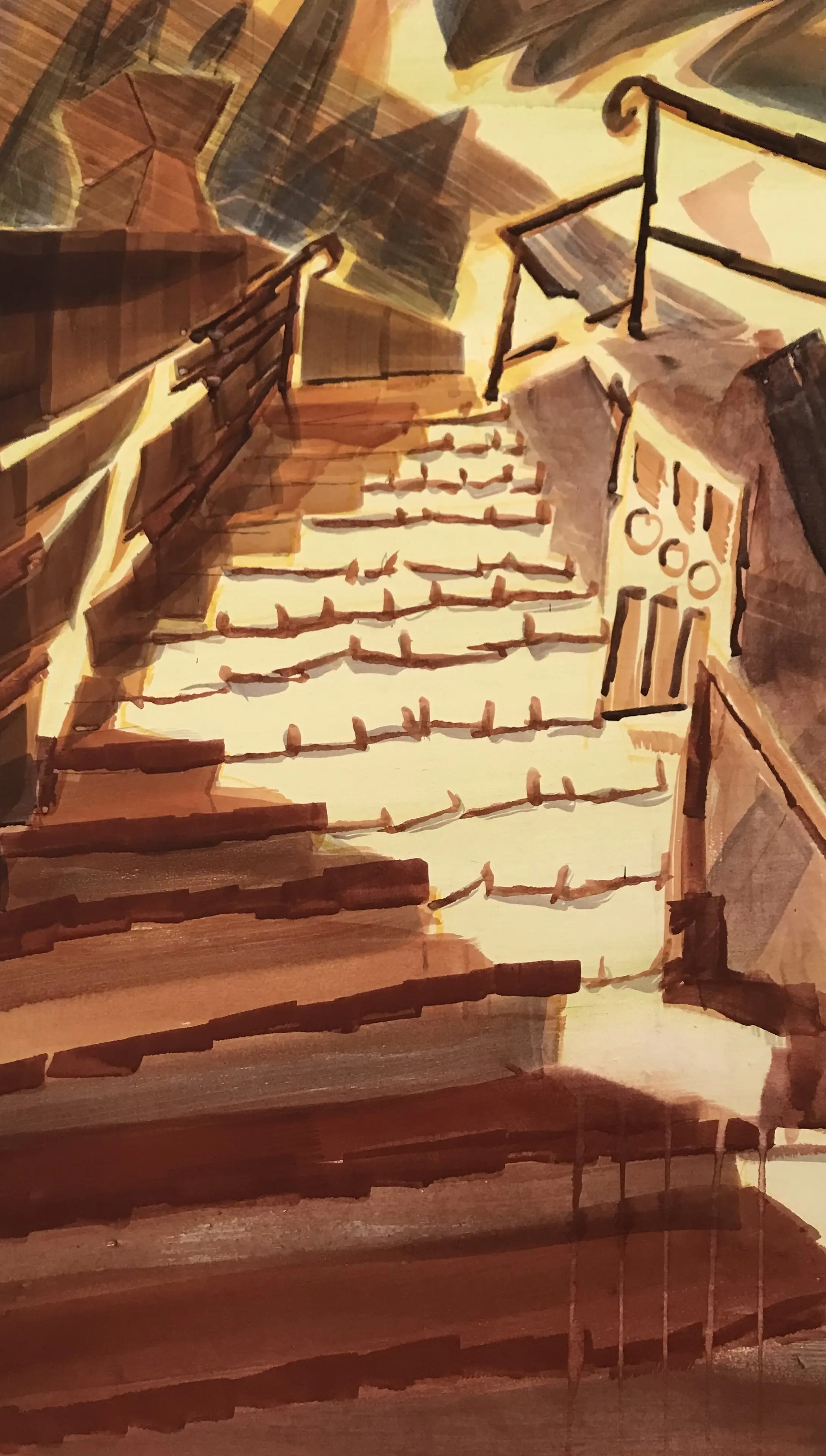
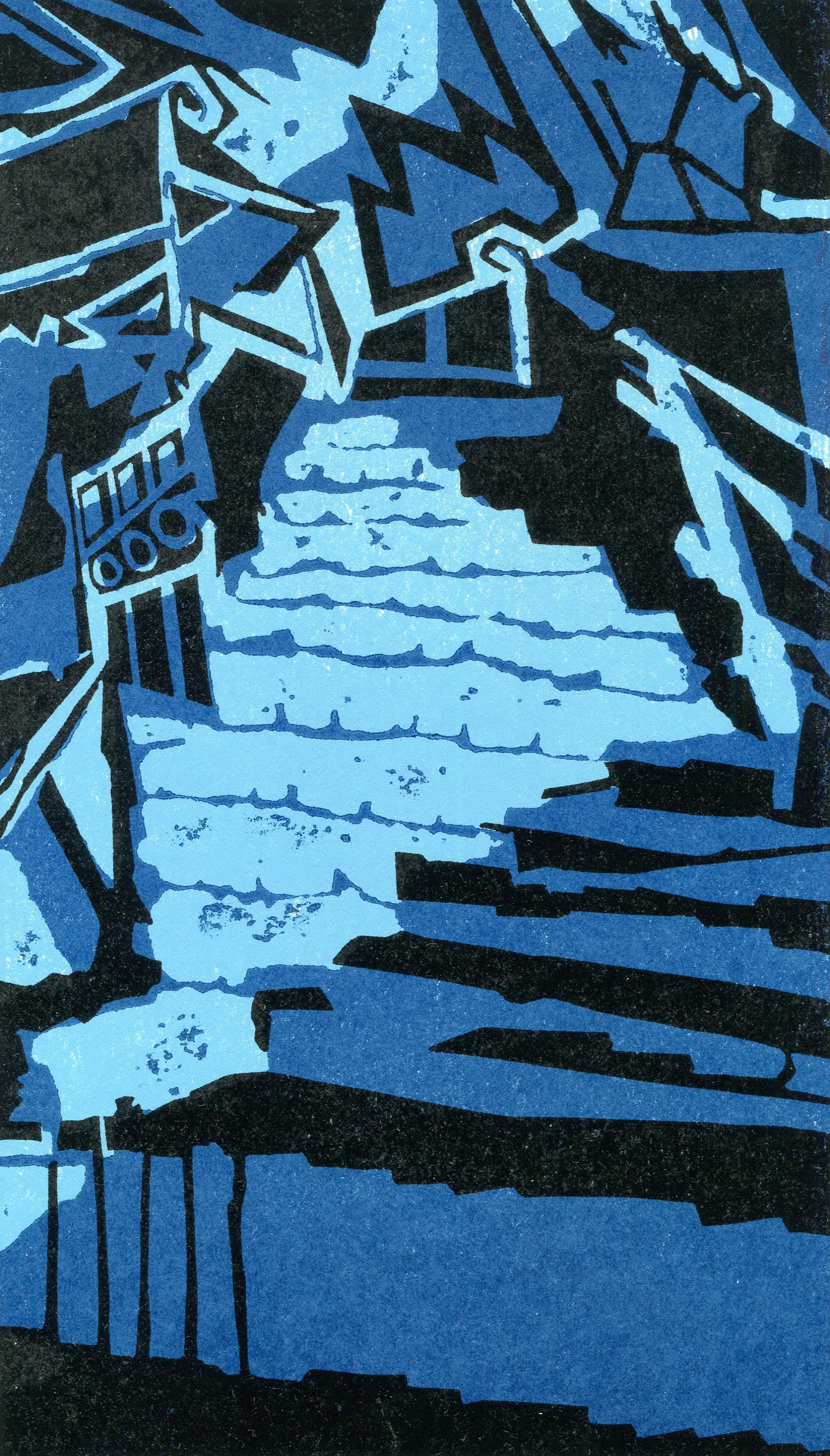
Because the core of our collaboration is inextricably linked to a spirit of experimentation, we have varied the group of invited artists for every project so far – and we shall keep doing so. For Stadt, Land, Fluss, we included established artists from outside the academy for the first time. With Treppenhaus – by which point many of the original team had graduated – we ventured beyond Leipzig and even went international right away. Finally, for Passage, we brought together not just printmakers, but also artists whose work is rooted in photography, sculpture, or conceptualism. We wish to maintain this mix of diverse perspectives, particularly by pairing established artists with an ever-refreshed roster of student positions.
Take a look at the people involved – some have taken part almost always, others occasionally, yet every publication has also featured some entirely new names. Staffel is managed by Leon Friederichs and Felix Lorenz, though they would be quite lost without the tight-knit network of supporting regulars. After all, it is not just the individual printing plate that relies on collaboration; the entire thing does. For this reason, we do not commit ourselves to a single, fixed studio as our central production site as well.
At the same time, however, we remain firmly rooted in Leipzig. Many of our artists were drawn here specifically because of the city's reputation for printmaking; others only discovered a passion for the medium after arriving. It is not just the city's past as a centre for printing and books, but also the tangible traces of that history – in the form of presses, studios, networks, expertise, art school, and a substantial market – that give us a peculiar sense of belonging. Had we gone elsewhere, perhaps we might never have come together in quite the same way. If any other place can lay a more legitimate claim to being the capital of contemporary printmaking – : do get in touch; let's make something together!
Predecessors
Just as we are a part of a larger scene, embedded in our environment, we cannot lay any claim to having reinvented the wheel when looking at a history of printmaking. On the contrary, collaboration has long been the norm – though rarely as an explicit artistic mission, and rather because of a division of labour and a need for efficiency.
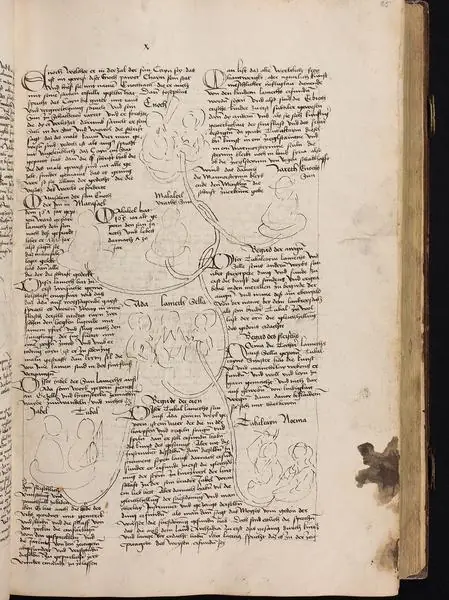
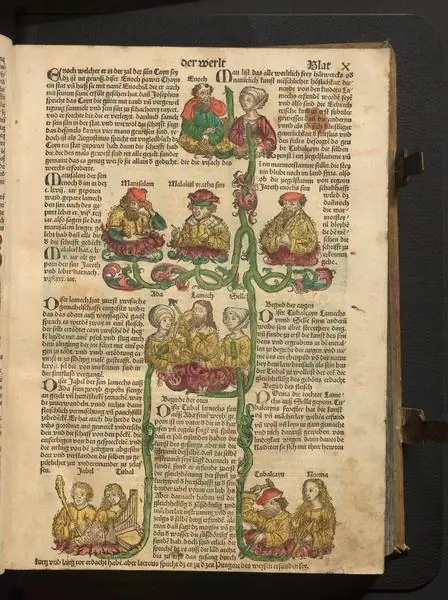
Even some artists who have entered the pantheon of printmaking have not necessarily executed their own plates. As far as we know, the very first prints were not made by individual artists, but rather by goldsmiths, nuns and monks, or possibly carpenters. At any rate, these were settings characterised by a sophisticated division of labour. The earliest woodcuts may have served merely as an auxiliary technique for manuscript illumination, printing only outlines to be coloured in manually – usually by a different hand. By 1450, woodcuts were one of several already established inventions upon which Gutenberg could draw when developing printing as we know it. Book production, too, would rely on a workshop-style division of labour. For the Nuremberg Chronicle (published in 1493), at the start of the line stood text editors. Picture encyclopaedic contributors or some sort of proto-journalists. Based on their manuscripts, painters would then create page layouts. These were sent across the city to entirely different workshops, to block cutters and typesetters, then to proofreading, and finally to the press. Judging by the surviving sketches, it appears that block cutters enjoyed considerable freedom when working on smaller, more generic illustrations, whereas large-format images had to strictly adhere to the original design. In this sort of printmaking, the ambiguous position between craft and art is far less clearly articulated than it was (even!) for contemporary painters.
We see this same spectrum – ranging from faithful line-for-line reproduction to completely free, loosely inspired pastiche – across all Staffel projects. The framework provided by us is of a largely formal nature – paper dimensions, binding requirements, and the like – leaving our contributors not just free, but left to their own devices. When asked which forms of translation are permitted, we tend to be evasive and unhelpful; believing that this way we receive far more interesting solutions – those we could not have come up with ourselves.
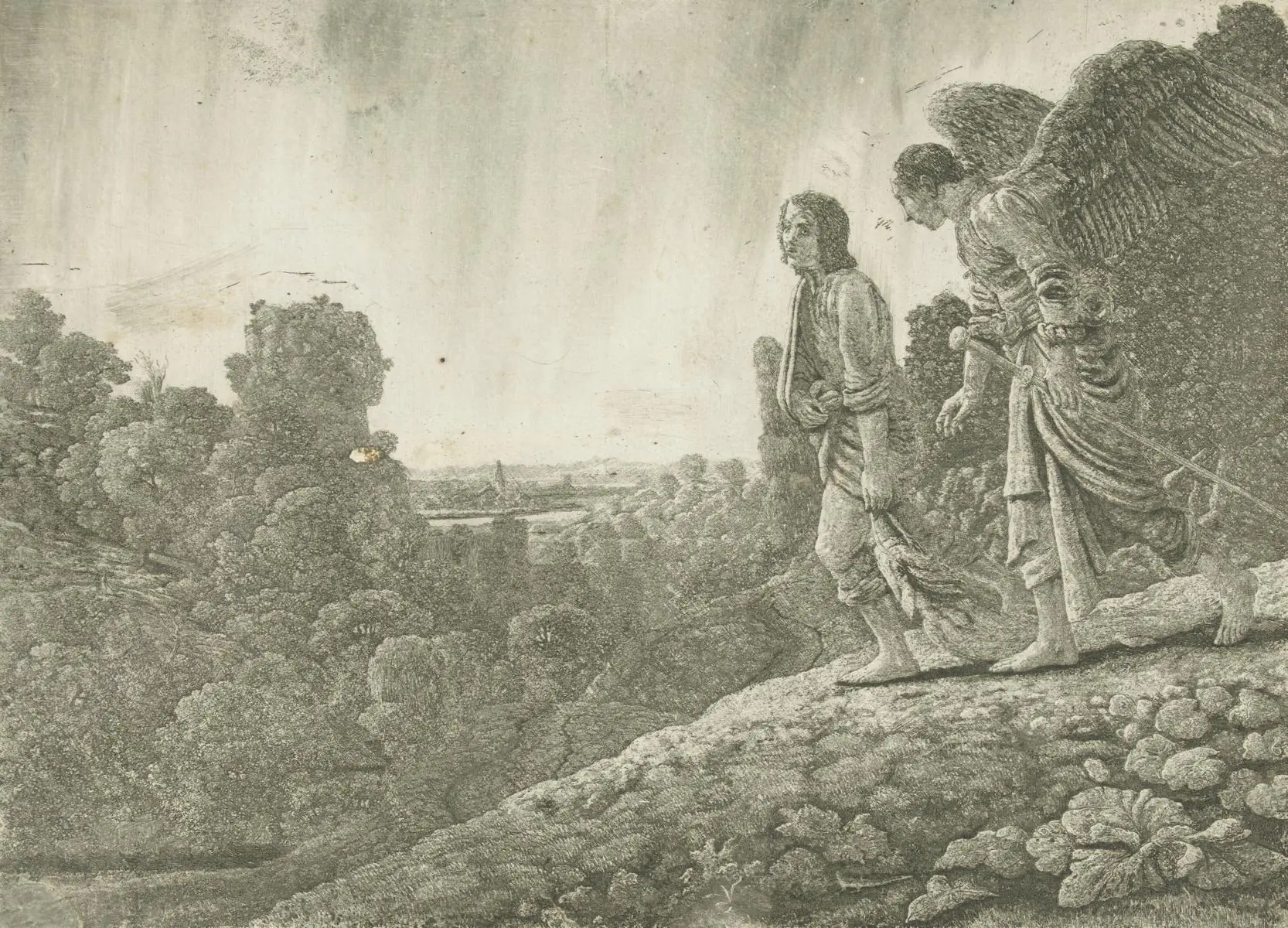
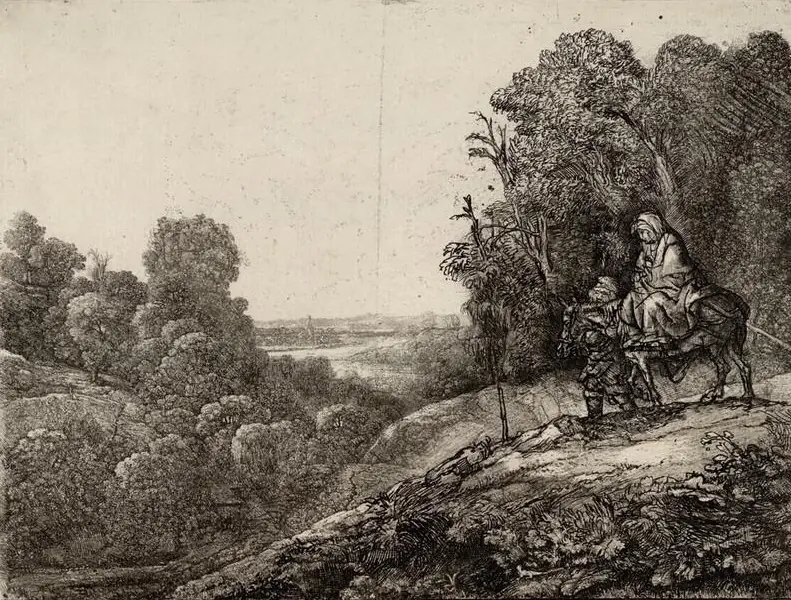
The 16th century, a period that saw a veritable explosion in print production, also witnessed a wide range of artistic strategies. Direct sketching onto the plate was still rather unusual – we see such a practice around Rembrandt and his workshop, and much later with the Parisian peintre-graveurs or the Brücke artists –, instead, a preliminary drawing was the norm. Or, in the case of Titian, entire canvases: when his block cutters were tasked with translating a specific painting into print, the translation process was their responsibility. By modern standards, they would be considered the creators of their images despite working from another artist's original; at the time, however, the resulting works were regarded as Titian woodcuts. That said, his involvement did not end with commissioning the work; he was known to be a critical, demanding and prickly employer. A generation earlier, we are getting some insight into the relationship between designer and printmaker when looking at Andrea Mantegna. A contract survives involving the goldsmith (!) Gian Marco Cavalli, who was commissioned to engrave Mantegna's drawings into copper. He received a fixed monthly wage for this work but was strictly prohibited – under threat of a heavy fine – from producing even trial proofs of the plates without Mantegna's consent, from showing the drawings to others, or from copying them. Naturally, all drawings, plates, edition prints, and trial proofs had to be handed over to Mantegna upon completion.
The trust that, unlike Mantegna, our artists place in us – and in one another – honours us, but it is also a fundamental prerequisite for collaboration. Entrusting one's own drawing to someone else – not just for safekeeping, but for further development – can and indeed should be seen as a significant hurdle, especially since the identity of the recipient usually remains unknown until the project is already underway. The order of exchange is always random, save for the fact that we avoid repeating combinations that have already occurred. Experience has shown that chance yields far more exciting combinations than any we might have devised on purpose. We eventually settled on an answer to the question mentioned earlier – regarding what could actually be done with the source material: anything that treats the original with respect. And while our artists are often concerned about how their own interpretation will be received (or are sometimes just unhappy with it), we have almost never encountered a situation where someone disliked the adaptation of their own sketch. For us, this is not only reassuring but has been a fascinating discovery throughout our work.
Often, as with Titian's paintings, the source material is inherently unsuited to the specific technique being employed. This applies not only to painting or the general challenge of reducing multicoloured originals to one or a few plates. For instance, elements like greyscale tones or intricate linework are notoriously difficult to translate into woodcut. Even without an overt artistic agenda, the process requires a form of translation – one that would yield a different result in the hands of a different artist. Indeed, from the very beginning, many of our artists have deliberately drawn their source material to be as difficult as possible to adapt.
Unlike the historical precedents, however, we view this resistance as a deliberate artistic strategy. In this, too, we are not the first. Staffel had already been in existence for some time when we realised that people had grappled with the same problems and potentials as far back as 450 years ago. A flourishing publishing scene emerged in 16th-century Antwerp – at a time when the very concept of a "publisher" had yet to be invented. Much like us, who began by simply printing stuff and only later adopting a formal name. One of the most renowned enterprises was Aux quatre vents, founded in 1548 by Hieronymus Cock and his wife, Volcxken Diericx. Before achieving fame in his own right, an artist like Pieter Bruegel the Elder created pastiches there in the style of Hieronymus Bosch, who had died forty years earlier. Prints inspired by Bosch – marketed as his own design – were highly fashionable and a consistent bestseller; they represented one of the first homegrown additions to a catalogue that otherwise favoured reproductions after Italian painters like Raphael; i.e., artists who would pass as reasonably "modern", yet had established their reputation beyond doubt. Bruegel, who had learned the fundamentals of copper engraving alongside his training in painting, executed his drawings specifically in the style of an engraver: they were mirror-reversed to the final print (i.e., they aligned to the plate) and drafted in a manner that allowed for precise, line-by-line and dot-by-dot copying. He did not usually engrave the plates himself. At Aux quatre vents, a highly structured and rationalised division of labour was the norm. We might claim – albeit with some simplification and slight exaggeration – that in the realm of printmaking, individual rather than collaborative practice was the actual, artificial "invention" that only gained traction much later.
As Bruegel's renown grew – and, at the same time, the success of the publisher, which represented a vast array of artists – the programme diversified, increasingly opening up to contemporary local Flemish artists. The functions of publisher and gallery (as understood today) merged, blurred, and even seemed to contradict one another at times. We encounter a fascinatingly complex situation regarding concepts of originality, attribution, and authorship: artists began adopting ideas not only from historical predecessors like Bosch and his contemporaries, but also from one another, borrowing from prints already published by the company and, in all likelihood, from each other's drawings. Depending on an artist's fame and marketing potential, the credit line on a print that had been engraved by one or more hands based on designs by one or more creators might name one of them as the artist, clearly specify the various roles (or omit them entirely), or attribute the work to someone else, such as the late Bosch. In Bruegel's case, it is particularly well documented that self-reference and quoting others did not just shape his prints. His paintings, too, incorporated motifs and ideas from prints around him. Here, collaboration is no mere sideshow or occasional whim; rather, it runs deep through one of the most significant bodies of work in European art history, from beginning to end.
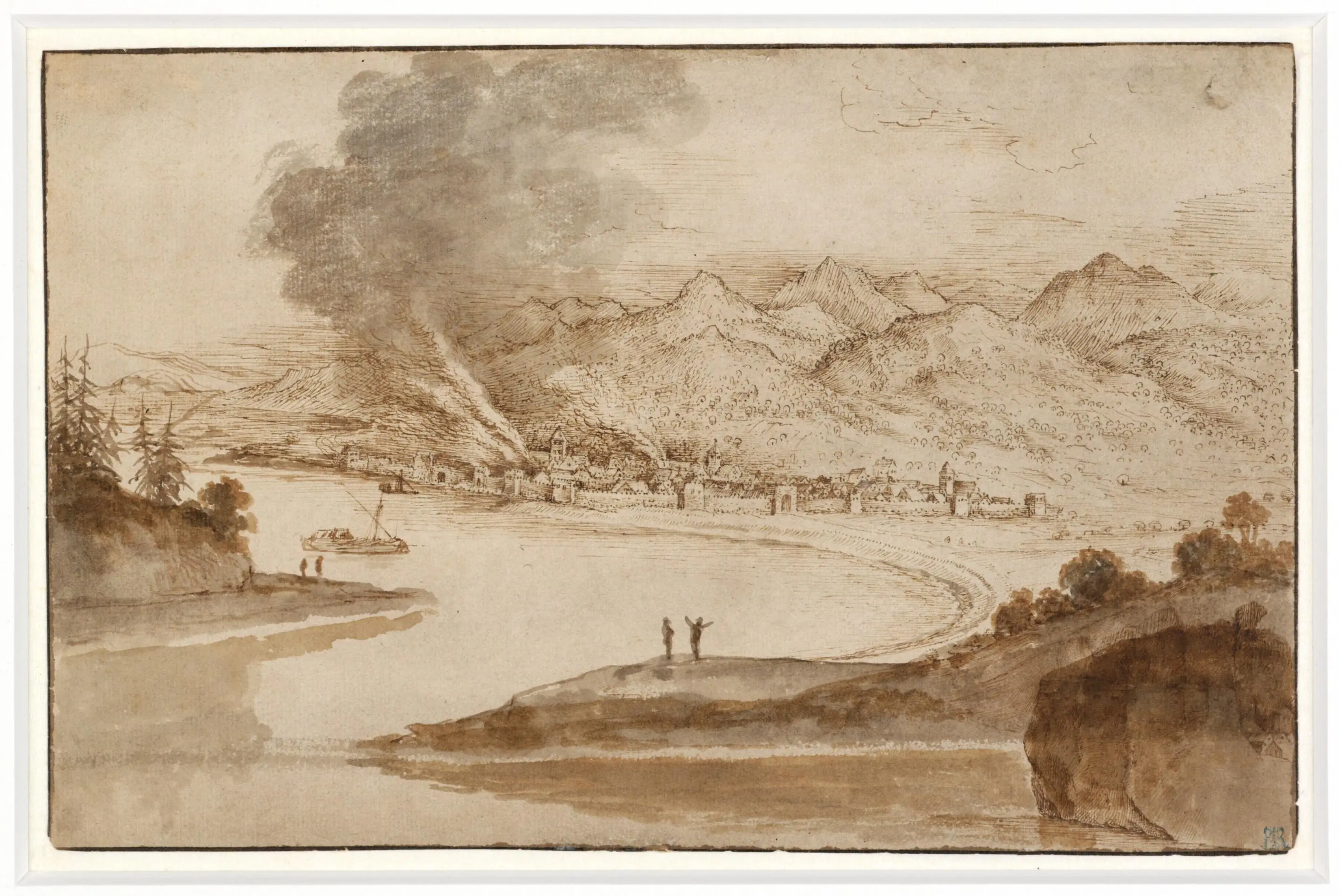
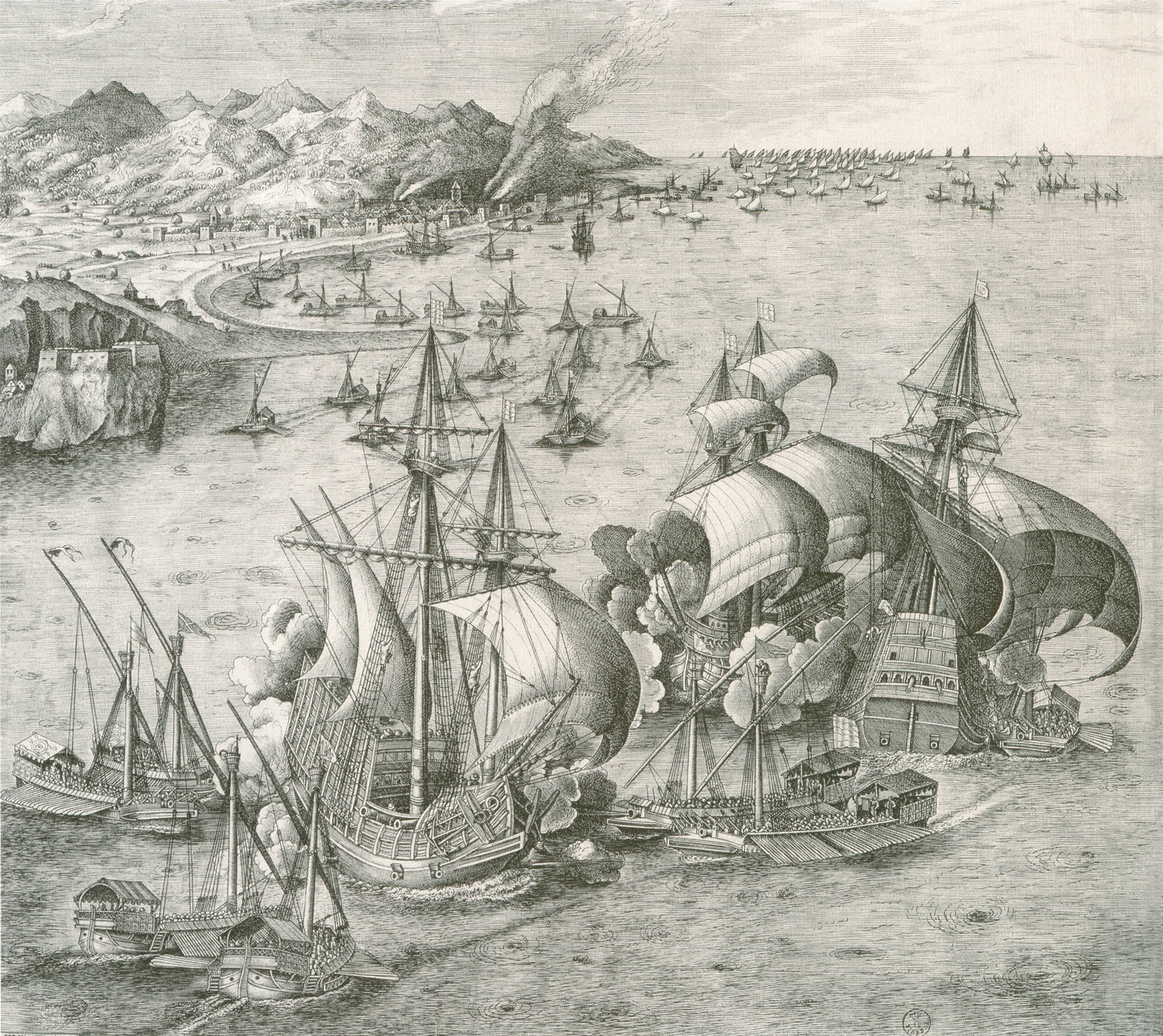
At Staffel, we feel a stronger affinity for this spirit of exchange, the urge to quote, and the collaborative development of ideas; than for the ivory tower studio model perpetuated by 19th- and early 20th-century clichés. Of course, all our artists maintain their own individual practices. Otherwise, they would contribute nothing individual to the mix. However, we are also aware of the widespread interest in collaborative work beyond the scope of publishing: whether in painting, within ephemeral or permanent collectives, or in exhibition projects; whether for artistic or pragmatic reasons; and whether happening right around us or far afield. As we welcome the continued dismantling of the "lone genius" myth among the general public, we are perfectly comfortable not being seen as too special ourselves anymore.
Submissions
Because we are committed to supporting the medium of the original print book wherever possible, we are always open to project proposals. We are happy to discuss your solo projects and explore how we might assist with material sourcing, printing techniques, networking, or marketing. If you are developing an idea, we recommend contacting us as early as possible – even if many details yet remain vague – since, for better or worse, the book format requires many early decisions compared to other media.
Our scope is defined by the criteria outlined above: original printmaking (in the broadest sense), the production of an edition, and an inherent focus on publication from the outset. Single-sheet prints fall outside our area of focus. And, naturally, we cannot guarantee feedback on every concept submitted. We look forward to hearing from you!